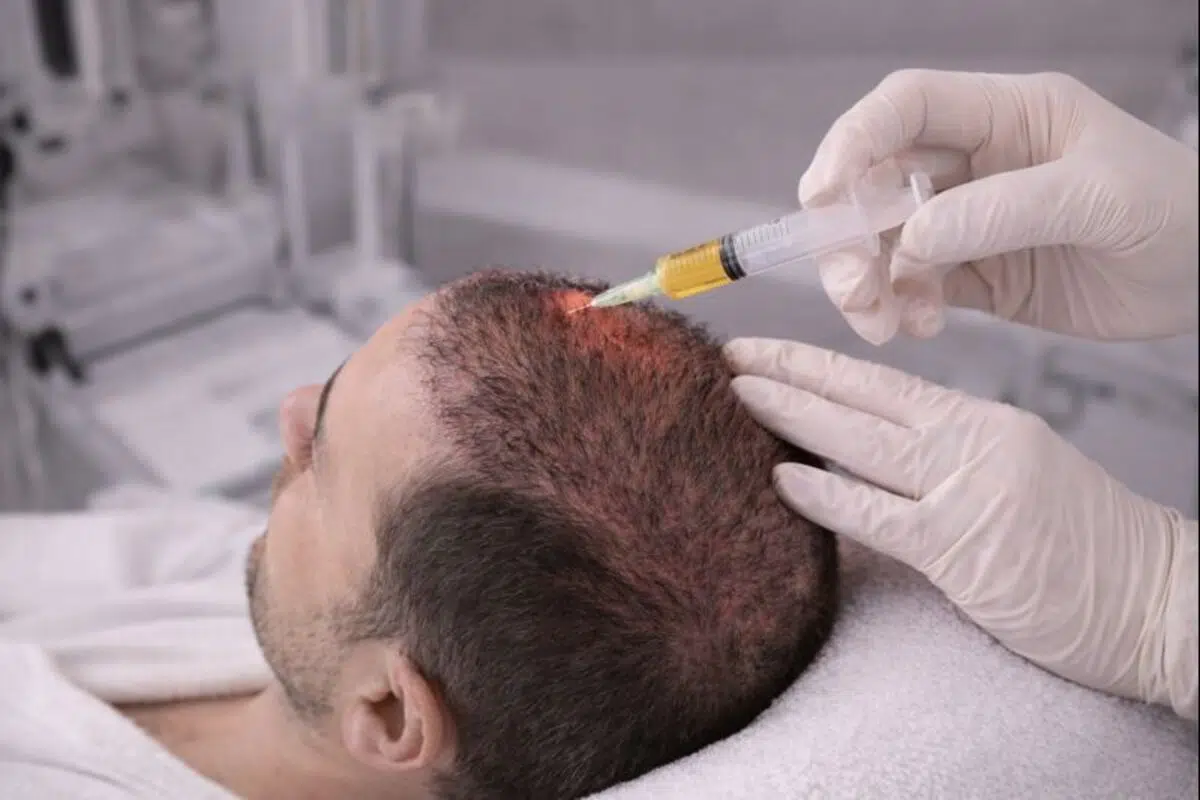
Hair transplantation is an effective solution for restoring hair density and improving overall appearance. However, the success of the procedure does not depend solely on the surgery itself. The most critical phase begins after the transplant, when strengthening the newly transplanted hair follicles becomes essential to ensure proper anchoring, healthy growth, and long-term results.
Many patients experience shedding of transplanted hair after the procedure and assume the transplant has failed. In most cases, this shedding is a normal part of the recovery process and not a sign of unsuccessful surgery. What truly determines the outcome is how well the follicles are supported during the first few months following transplantation.
Understanding what transplanted follicles go through, when medical support is needed, and how to strengthen them using evidence-based treatments—rather than random or excessive approaches—is key to achieving optimal and lasting results.
What Happens to Hair Follicles After a Hair Transplant?
After hair transplantation, the follicles enter a sensitive phase known as biological adaptation. During this period, each follicle transitions from a stable donor area to a new recipient site and begins rebuilding its connection with surrounding blood vessels.
In the first few weeks, patients may notice shedding of the transplanted hair shafts. This is a common phenomenon known as shock loss, and it does not indicate transplant failure. The hair strand falls out, but the follicle remains alive beneath the skin, preparing to produce new, stronger hair.
Problems may arise when:
- Blood supply to the scalp is insufficient
- Follicles are exposed to inflammation or pressure
- Post-transplant medical care is neglected
In such cases, follicles may weaken or hair regrowth may be delayed, highlighting the importance of timely follicle-strengthening strategies to support recovery and enhance final outcomes.
Causes of Weak Hair Follicles After Hair Transplant
Even when the surgical procedure is technically successful, some patients experience delayed growth or reduced density. This is usually not due to transplant failure, but rather factors that directly affect follicle stability and growth during recovery.
Reduced Blood Circulation in the Scalp
Newly transplanted follicles rely heavily on the formation of a healthy blood supply. Poor circulation may lead to:
- Slower nutrient delivery to follicles
- Delayed hair regrowth
- Thinner transplanted hair
This explains why transplant results vary between individuals even when the same technique and number of grafts are used. Scalp condition, circulation quality, and biological healing speed all play a role, making post-transplant care just as important as the procedure itself.
Shock Loss and Misunderstanding the Recovery Phase
Shock loss is a normal and expected stage after transplantation. However, neglecting scalp care during this phase may affect the strength of new hair growth.
Mild follicle-stimulating treatments—such as PRP therapy or medically supervised minoxidil protocols—may be recommended to support follicles without interfering with healing or graft stability.
Persistent Inflammation or Scalp Irritation
Mild inflammation after transplantation is normal, but prolonged irritation can weaken the follicle environment. Common causes include:
- Repeated scratching
- Use of unsuitable products
- Early exposure to heat or sunlight
An inflamed scalp disrupts tissue healing and limits oxygen and nutrient delivery to follicles, potentially delaying or weakening hair regrowth. Managing inflammation is therefore a critical part of post-transplant care.
Neglecting Supportive Treatments After Transplant
Some individuals believe the transplant alone is sufficient and ignore supportive therapies such as:
- Topical treatments
- Scalp stimulation sessions
- Regular medical follow-up
This can lead to suboptimal results, especially in the medium and long term. Lifestyle factors and general health also significantly influence follicle strength after transplantation.
When Should Hair Follicles Be Strengthened After Hair Transplant?
Timing is crucial. Starting too early may irritate the scalp, while delaying support may deprive follicles of essential recovery assistance.
- First weeks after transplant: Focus on protection, healing, and avoiding strong stimulation.
- After initial healing: The scalp begins to regain balance, making this an appropriate time to introduce supportive treatments.
- After shock loss: This phase is often ideal for gentle stimulation therapies to enhance follicle activity and improve hair quality.
The exact timing varies depending on:
- Healing speed
- Scalp condition
- Presence of inflammation
- Transplant technique used
There is no universal timeline; treatment plans should always be individualized based on medical evaluation.
Best Medical Treatments to Strengthen Hair Follicles After Hair Transplant
Supportive treatments aim to optimize scalp health, stabilize transplanted follicles, and enhance hair quality. They are not replacements for transplantation but part of a comprehensive post-transplant strategy.
Platelet-Rich Plasma (PRP) Injections
PRP is one of the most commonly used treatments after hair transplantation. It is derived from the patient’s own blood and contains a high concentration of platelets that support the follicular environment.
PRP helps to:
- Improve blood circulation around follicles
- Support post-transplant healing
- Enhance thickness and quality of new hair
Magellan Injections
Magellan injections are used in some follicle-strengthening protocols to stimulate follicle activity and improve scalp conditions, especially in cases of slow recovery or generalized follicle weakness.
They help to:
- Support follicles after shock loss
- Improve hair quality
- Enhance follicle stability over time
Growth Factor Therapy
Growth factor treatments stimulate cells responsible for hair growth and improve cellular communication within the scalp.
They are often used to:
- Enhance cellular regeneration
- Support biological recovery
- Gradually improve hair density and strength
Exosome Therapy
Exosomes represent an advanced approach to scalp and follicle support, using cellular signaling to improve the hair growth environment.
They may help to:
- Support weakened follicles
- Improve scalp quality
- Encourage healthier hair regrowth
Medically Supervised Minoxidil Injections
In selected cases, minoxidil may be used under medical supervision after the shock loss phase to:
- Stimulate follicles
- Support new hair growth
- Protect surrounding native hair
Proper timing and supervision are essential to avoid irritation.
LPG Hair Scalp Therapy
LPG scalp treatments are non-invasive sessions designed to:
- Stimulate blood circulation
- Improve lymphatic drainage
- Enhance scalp flexibility
They are often used as complementary therapy for slow recovery or poor circulation.
M22 Technology and Scalp Support
In certain cases, M22 technology may be used to improve scalp quality, particularly when calming and skin balance are needed.
It helps to:
- Improve scalp condition
- Support skin balance
- Create a healthier environment for hair growth
Integrated Scalp Strengthening Programs
In many cases, a single treatment is not sufficient. Clinics often design integrated strengthening programs that combine:
- Stimulation therapies
- Non-surgical technologies
- Topical care and medical follow-up
The goal is to support both transplanted and existing hair, ensuring balanced density and more stable long-term results.