Filler dissolving injections have become an important option for correcting unwanted results after dermal filler treatments. When hyaluronic acid filler causes excessive volume, uneven contours, migration, or visible lumps, dissolving the filler may help restore a more natural and balanced appearance without surgery.
The procedure may also be used as an emergency treatment when hyaluronic acid filler compromises blood flow to the skin. However, filler dissolution is still a medical procedure and should only be performed by a qualified healthcare professional who is experienced in facial anatomy, injectable treatments, and the management of filler complications.
What Are Filler Dissolving Injections?
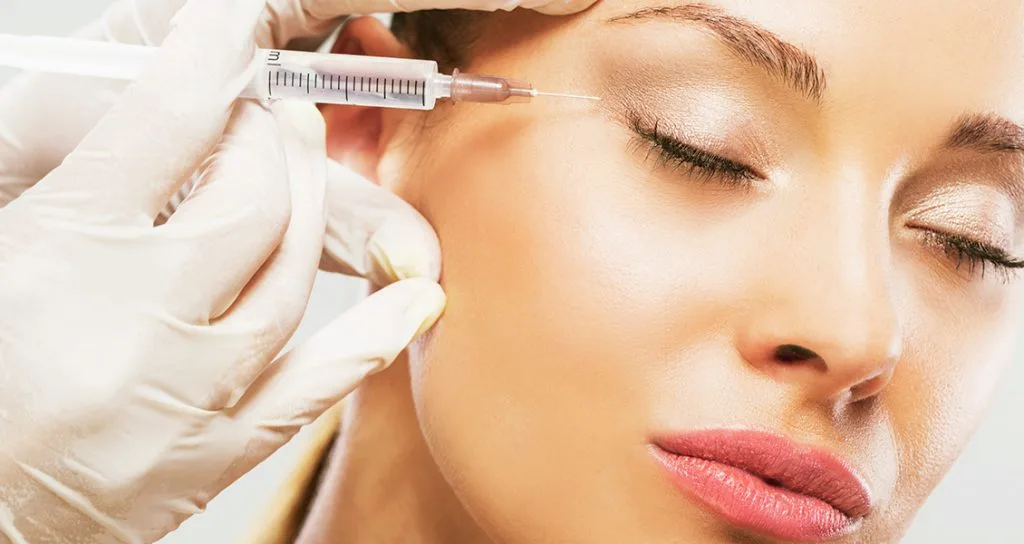
Filler dissolving injections involve administering an enzyme called hyaluronidase into an area that contains hyaluronic acid filler.
Hyaluronidase breaks down hyaluronic acid molecules, including the cross-linked hyaluronic acid used in many temporary dermal fillers. Once the filler has been broken into smaller components, it can be gradually absorbed and cleared through the body’s normal metabolic processes.
The treatment may be used to dissolve some or all of the filler, depending on the patient’s concerns and the amount of hyaluronidase administered. Small, carefully selected doses may be used to correct a minor irregularity, while larger or repeated doses may be required for substantial overfilling or urgent vascular complications.
The use of hyaluronidase to reverse cosmetic fillers may be considered an off-label treatment in some countries. Patients should therefore receive a clear explanation of the expected benefits, limitations, and possible risks before proceeding.
Why Do People Have Their Fillers Dissolved?
A patient may consider filler dissolving injections for several reasons, including:
- Excessive filler volume or an overfilled appearance
- Facial or lip asymmetry
- Filler migration outside the intended treatment area
- Visible or palpable lumps
- Uneven texture or contour irregularities
- A bluish discoloration known as the Tyndall effect
- An unsatisfactory aesthetic result
- A desire to return to a more natural appearance
- The need to redesign or refine the treatment plan
- Suspected vascular occlusion caused by hyaluronic acid filler
Not every lump or area of swelling should be treated immediately with hyaluronidase. Some nodules may be related to infection, inflammation, a delayed immune response, or a product other than hyaluronic acid. A proper medical assessment is therefore necessary before deciding whether dissolving the filler is the appropriate treatment.
Who Is a Suitable Candidate for Filler Dissolving Injections?
Filler dissolving treatment may be suitable for patients who:
- Have confirmed hyaluronic acid filler in the treatment area
- Are unhappy with excessive volume or an unnatural result
- Have unevenness, migration, or non-inflammatory lumps
- Want to partially modify rather than completely remove their filler
- Need previous filler removed before developing a new treatment plan
- Have been assessed for a suspected filler-related vascular complication
The physician should ideally know which filler product was used, where it was injected, how much was administered, and when the treatment was performed. Previous treatment records or product labels can be helpful, particularly when the filler was injected at a different clinic.
Which Types of Filler Can Be Dissolved?
Hyaluronidase primarily dissolves fillers made from hyaluronic acid.
Common hyaluronic acid filler brands include:
- Juvéderm
- Restylane
- Teosyal
- Belotero
Different fillers do not always respond to hyaluronidase at the same rate. The amount required may depend on the filler’s concentration, degree of cross-linking, location, depth, volume, and the length of time it has been present. Some products may require higher doses or more than one treatment session.
Which Fillers Cannot Be Dissolved With Hyaluronidase?
Hyaluronidase does not directly dissolve fillers made from other materials, including:
- Calcium hydroxylapatite, such as Radiesse
- Poly-L-lactic acid, such as Sculptra
- Polymethyl methacrylate, such as Bellafill
- Silicone and certain permanent fillers
- Fat grafting
These products behave differently from hyaluronic acid filler. Some gradually break down over time, while others may remain in the tissues for many years.
Treatment of complications associated with non-hyaluronic acid or permanent fillers depends on the product and the nature of the problem. Management may include observation, medication, imaging, aspiration, manual removal, or surgery in selected cases. Complete surgical removal may not always be possible and can carry a risk of scarring or tissue damage.
What Happens Before Filler Dissolving Treatment?
Before the procedure, the healthcare professional should assess the treatment area and review:
- The type and brand of filler previously injected
- The date and location of the previous injections
- The patient’s medical history
- Previous reactions to fillers or hyaluronidase
- Known allergies, including significant reactions to insect stings
- Current medications and supplements
- Signs of infection, inflammation, or vascular compromise
Photographs may be taken to document the area before treatment and to help assess the final result.
Patients should not stop aspirin, anticoagulants, or any prescribed medication without first consulting the healthcare professional who prescribed it. Although these medications may increase the likelihood of bruising, discontinuing them without medical advice can create more serious health risks.
Is an Allergy Test Required Before Hyaluronidase?
Routine skin testing before hyaluronidase is not universally recommended, and available evidence indicates that such tests may not reliably predict every allergic reaction.
During planned, non-emergency treatment, the physician should assess the patient’s allergy history and follow the appropriate clinical protocol. In a suspected vascular occlusion, urgent treatment should not be delayed while waiting for an allergy test.
How Is the Procedure Performed?
The treatment area is cleaned, and the physician injects an individually selected amount of hyaluronidase into or around the unwanted hyaluronic acid filler.
The number and location of injections depend on:
- The treatment area
- The type and amount of filler
- Whether partial correction or complete dissolution is required
- The depth of the filler
- Whether the situation is elective or an emergency
The procedure is usually completed within a short clinic appointment. Mild stinging, pressure, or temporary discomfort may occur during the injections.
A conservative approach may be preferred when correcting a minor aesthetic concern. This allows the physician to reassess the area after the initial swelling has settled and reduces the risk of removing more volume than intended.
When Will the Results Become Visible?
Hyaluronidase begins acting quickly, and some patients notice a change within several hours or during the first 24 to 48 hours.
However, swelling caused by the injections can temporarily hide the result or make the area appear uneven. For this reason, the final outcome should not be judged immediately after the procedure.
A more reliable assessment is usually performed after approximately one to two weeks. Patients with large amounts of filler, highly cross-linked products, or filler located in several tissue layers may require an additional treatment session.
What Are the Possible Side Effects?
Common temporary reactions may include:
- Redness
- Swelling
- Bruising
- Tenderness
- Itching
- Mild pain at the injection sites
- Temporary unevenness as the filler begins to break down
These effects generally improve as the treated tissues settle.
Allergic reactions to hyaluronidase are uncommon but can occur. Patients should seek urgent medical attention if they develop difficulty breathing, widespread hives, facial or throat swelling, dizziness, or symptoms of a severe allergic reaction.
Hyaluronidase is not completely selective for injected filler. It may also temporarily affect some of the naturally occurring hyaluronic acid in the treated tissues. The body continuously renews its natural hyaluronic acid, but the area may initially appear flatter than expected after the injected filler has been removed.
Previous overfilling, prolonged tissue stretching, or pre-existing volume loss may also become more noticeable once the filler is dissolved.
Aftercare Following Filler Dissolving Injections
Patients should follow the instructions provided by their treating physician. General aftercare may include:
- Avoiding unnecessary touching or pressure on the treated area
- Not massaging the area unless specifically instructed
- Applying a cold compress if recommended to reduce discomfort
- Avoiding strenuous exercise, excessive heat, steam rooms, or saunas for the period advised by the physician
- Avoiding additional cosmetic injections until the area has been reassessed
- Attending the recommended follow-up appointment
Temporary swelling or bruising does not necessarily mean that the filler has not dissolved. The tissues need time to settle before the final result can be evaluated.
Patients should contact their physician promptly if they experience increasing pain, worsening redness, marked swelling, discharge, fever, unusual skin discoloration, or any symptom that concerns them.
Emergency Filler Dissolution for Vascular Occlusion
A vascular occlusion occurs when filler enters a blood vessel or compresses it sufficiently to reduce blood flow. Although uncommon, it is a serious complication that can cause skin injury, tissue necrosis, scarring, or, in rare cases, visual impairment.
Possible warning signs include:
- Severe or increasing pain
- Pale or blanched skin
- Mottled, dusky, or purple skin discoloration
- Cool skin
- Delayed capillary refill
- Sudden visual changes
- Eye pain, drooping of the eyelid, or neurological symptoms
When hyaluronic acid filler is involved, prompt administration of hyaluronidase is a central part of managing filler-related vascular compromise. Treatment may require repeated doses and close clinical reassessment.
Any visual disturbance following a facial filler injection must be treated as an immediate medical emergency. Hyaluronidase treatment at the injection site must not delay urgent transfer for specialist ophthalmic and emergency assessment.
Early intervention may reduce tissue damage, but hyaluronidase cannot guarantee recovery from established vision loss.
Filler Dissolution vs Filler Correction
The terms “filler dissolution” and “filler correction” are sometimes used interchangeably, but they do not always describe the same approach.
Filler Dissolution
Filler dissolution involves using hyaluronidase to break down some or all of a hyaluronic acid filler. It may be selected when the filler has migrated, created excessive volume, caused irregularities, or needs to be removed before starting a new treatment plan.
Filler Correction
Filler correction is a broader term. Depending on the concern, it may involve:
- Selectively dissolving a small part of the filler
- Adding a carefully measured amount of filler to improve balance
- Waiting for swelling to resolve before making changes
- Treating an associated inflammatory or medical problem
- Developing a new injection plan after reassessment
Adding more filler is not always the correct way to treat an uneven or overfilled result. In some patients, it can increase heaviness or make the original problem more noticeable. The correction method should therefore be selected only after identifying the cause of the concern.
Filler Dissolution vs Surgical Removal
Filler dissolving injections are non-surgical and do not require skin incisions. They are primarily suitable for hyaluronic acid fillers and can often be performed in a clinic setting.
Surgical removal may be considered for certain permanent fillers, foreign-body granulomas, chronic nodules, or materials that cannot be broken down with hyaluronidase.
Surgery may involve a longer recovery period and carries risks such as bleeding, infection, scarring, contour changes, and incomplete removal. The procedure should be planned by a suitably qualified dermatologist, plastic surgeon, or other specialist with experience in filler complications.
How Many Filler Dissolving Sessions Are Needed?
Some patients achieve the desired improvement after one session. Others may require multiple sessions.
The number of treatments depends on:
- The amount of filler present
- The product’s composition and cross-linking
- The depth and location of the filler
- Whether the goal is partial or complete dissolution
- The patient’s tissue response
- How long the filler has been present
A staged approach can provide greater control when treating aesthetic irregularities. Emergency vascular complications, however, may require immediate and repeated high-dose treatment according to the physician’s clinical assessment.
When Can Filler Be Injected Again After Dissolving?
Laboratory and animal research suggests that the direct enzymatic activity of hyaluronidase in the tissues decreases within several hours. However, this does not mean that immediate reinjection is always the best cosmetic approach.
In routine aesthetic practice, physicians often wait until swelling, bruising, and inflammation have settled before injecting new filler. This commonly takes at least one to two weeks, although a longer waiting period may be recommended depending on:
- The original complication
- The condition of the tissues
- The amount of filler dissolved
- The presence of inflammation
- The treatment area
- Whether more than one dissolving session is required
Allowing the area to settle gives the physician a clearer view of the natural anatomy and helps determine whether new filler is needed and how much should be used.
Can Lip Filler Be Partially Dissolved?
Yes. Hyaluronic acid lip filler can sometimes be partially dissolved to treat a specific lump, area of migration, or excessive projection.
Partial dissolution requires careful dosing because the enzyme can spread within the tissues and may remove more filler than expected. The degree of correction cannot always be predicted precisely, and an additional session may be required after the lips have settled.
Is Filler Dissolving Treatment Safe?
Hyaluronidase has an established role in managing unwanted results and complications associated with hyaluronic acid fillers. It is generally well tolerated when used appropriately by an experienced healthcare professional, but it is not completely risk-free.
A safe treatment plan should include:
- Confirming that the filler is made from hyaluronic acid
- Identifying the cause of the patient’s concern
- Selecting an appropriate dose
- Reviewing allergy and medical history
- Discussing possible temporary volume loss and swelling
- Providing clear emergency and aftercare instructions
- Arranging follow-up when needed
The safest outcome begins with an accurate diagnosis rather than automatically dissolving every area of swelling, unevenness, or discomfort.